Pink Roses Flower Pot Embroidery Design
A Seasonal Designer’s First Impression
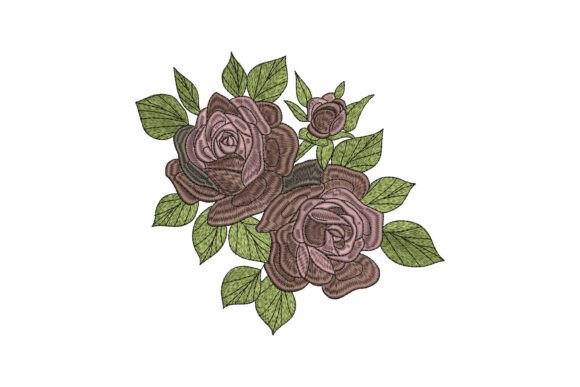
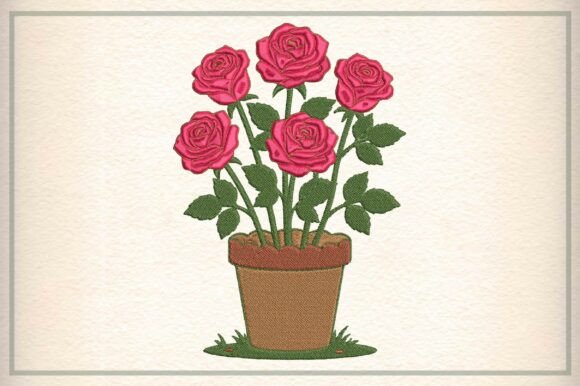
As an embroidery designer who’s built dozens of holiday collections—from Easter brunch aprons to Valentine’s Day pillow covers—I opened the Pink Roses Flower Pot Embroidery Design expecting charm, but I was struck by its quiet confidence. This isn’t a loud, trend-chasing motif—it’s a grounded, romantic statement with soft seasonal versatility. The blooming pink roses feel fresh and tender, not overly sweet or juvenile; the decorative planter adds structure, while the rich green leaves bring botanical depth and movement. It reads as elegant, timeless, and quietly festive—ideal for spring celebrations, Mother’s Day gifting, bridal showers, or even subtle Easter home decor. It leans into the Floral Garden category without feeling generic: there’s personality in the petal layering and leaf curvature, and enough detail to hold interest at 4–5 inches, yet it avoids overcomplication that trips up production.
Where It Shines in Real Holiday Product Planning
This Pink Roses Flower Pot Embroidery Design is a quiet workhorse for small shop owners and Etsy sellers building gift-ready collections. On sweatshirt embroidery, it anchors the chest or back beautifully—soft pink thread on heather grey or oatmeal fabric reads premium, not craft-fair casual. As a tote bag design, it elevates reusable shopping bags into boutique-worthy keepsakes (pair with matching ribbon handles and a printed care tag). For kitchen towel embroidery, it lands perfectly above the hemline—romantic but practical, especially when stitched in matte cotton thread that won’t snag on dish racks. It’s equally strong on pillow covers and aprons, where the planter shape naturally follows seams and hems. As a standalone embroidered patch, it’s gift-ready: iron-on backing, clean edges, and instant heirloom appeal. And yes—it translates cleanly into printable mockups for Instagram carousels and Etsy banners, helping buyers visualize the handmade gift before they click “add to cart.”
Smart Pairings for Holiday Bundles & Matching Sets
- Family matching items: Scale the design down for kids’ tees and up for adult sweatshirts—same motif, cohesive storytelling.
- Gift bundles: Combine with coordinating seasonal embroidery like tiny sprigs or monogrammed tags for “Mother & Me” or “Garden Lover” kits.
- Limited edition apparel: Use it on blush linen shirts or sage-green canvas jackets—colors that reinforce the rose-and-leaf palette and signal intentionality.
- Personalized gifts: Add a name or date in a delicate serif script beneath the planter—just enough customization without overwhelming the floral balance.
Where to Proceed with Intention
Not every surface is ideal—and as someone who’s re-stitched too many dense motifs on terry cloth, I’ll be direct. Avoid using the Pink Roses Flower Pot Embroidery Design on thick towels unless you’ve tested stabilizer layers thoroughly: high stitch density + absorbent pile = puckering risk. On dark fabric, test thread colors early—some pinks mute or gray out; consider blending filament or rayon for luminosity. It’s not ideal for curved caps or stretchy garments without digitizing adjustments—the planter base needs stable ground to anchor the composition. And if you’re planning small hoop sizes (under 4”), skip the full design; simplify to just the top two roses and one leaf cluster instead of forcing all elements into tight quarters. Also, avoid metallic thread unless you’re experienced—the fine petal outlines may break or snag during high-speed runs.
Emotional Impact & Seasonal Trust-Building
Holiday shoppers don’t just buy stitches—they buy feeling. The Pink Roses Flower Pot Embroidery Design taps into nostalgia (grandmother’s garden), romance (first-date bouquets), and calm (a moment of stillness amid holiday rush). That emotional resonance boosts giftability: customers see it and think, “She’ll love this,” not “What is this for?” Visually, it builds customer trust—its balance and refinement suggest quality craftsmanship, which supports higher price points for your small shop product. On social media, it performs well in flat-lay photos with dried lavender, ceramic pots, or linen napkins—creating instant visual recognition for your brand’s seasonal voice. When repeated across categories (towels, totes, patches), it strengthens brand consistency without monotony—like a signature phrase your audience begins to recognize and anticipate each spring.
Practical Designer Notes Before You Stitch
- Test thread colors on both light and dark fabric swatches—not just white cotton. Pink behaves differently on navy, charcoal, and ecru.
- Check stitch density in the rose centers and leaf veins. If it feels heavy, reduce underlay or adjust pull compensation in your embroidery software.
- Confirm hoop size requirements before digitizing variants—some versions may need 5x7”, others fit in 4x4” with minor cropping.
- Use proper stabilizer: Tear-away for stable wovens, cut-away for knits, and a light fusible for linens or tea towels.
- Create realistic mockups—not just digital renders, but stitched samples on your actual production fabrics.
- Review small details after stitching: Are petal tips crisp? Do leaves flow naturally? Adjust tension or needle size if needed.
- Plan matching color palettes across your collection—choose 3–4 supporting tones (e.g., dusty rose, sage, warm taupe, cream) to unify listings and packaging.
- Confirm commercial licensing before selling finished seasonal products—this digital embroidery file must be cleared for commercial embroidery use.
The Pink Roses Flower Pot Embroidery Design isn’t flashy—but in the crowded holiday marketplace, quiet elegance often sells best. It’s the kind of holiday embroidery that makes customers pause, smile, and imagine it in their home, on their loved one’s shoulders, or tucked into a gift box with handwritten notes. For Etsy sellers, craft fair vendors, and handmade gift makers, it’s not just another machine embroidery design. It’s a thoughtful, seasonally agile asset—one that earns repeat use, builds brand warmth, and quietly says, “This was made with care.”